I fell in love with the written word at 4 years old, and have been an enthusiastic reader ever since. I do not place any pretentious merit to reading; I care far more about curiosity and open-mindedness than I do medium. I offer that as context for this list; it’s the books that have most impacted my thinking in my journey of curiosity. I find that I return to them regularly, reference them often, and cite them in many conversations. I am not attempting to write reviews below, rather I will suggest what questions you can find the books will help you think through. I’m always interested in discussing these books; send me an email (see the website footer) if you’ve read them and are wanting to discuss.

The Real World of Technology
Copyright 1990, House of Anansi
Tech Industry, Cultural Analysis
(4th time reading)
I encountered this book thanks to Mandy Brown over a decade ago, and in the interim I’ve read it at least 4 times. Ursula Franklin was a badass multi-disciplinarian, and in 1989 she gave a series of lectures that comprise the main text of this book. In it, she outlines a theory of technology that is very easy to understand and far more capacious than most people might default to—she suggests prayer as an example of technology and defends the proposal. The book is the most lucid analysis I’ve ever encountered for how to make sense of technology and how to determine its value. She wrote over 3 decades before LLMs were a thing, but I find that I’m using her frameworks still as I make sense of the current world of tech.
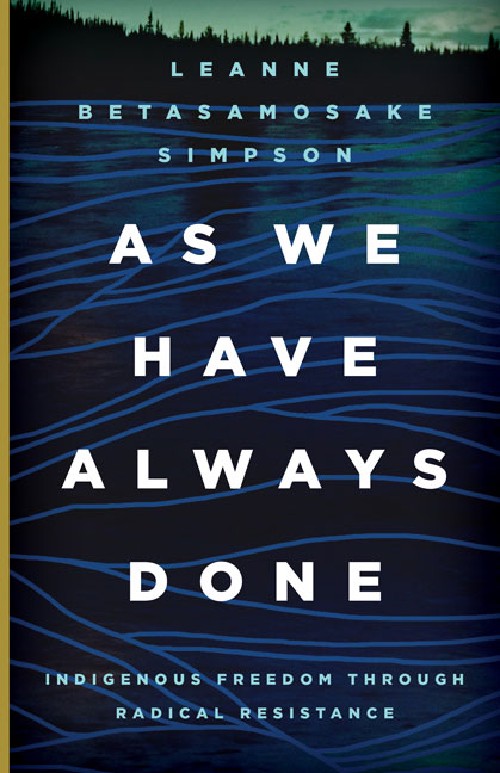
As We Have Always Done: Indigenous Freedom through Radical Resistance
Copyright 2020, University of Minnesota Press
Indigenous Issues
Leanne Betasamosake Simpson is an Anishinaabe writer who has spent her career trying to write a decolonial exploration of the worlds that colonialism has unsuccessfully attempted to eradicate. This book is a powerful exploration of the worlds that her ancesters and nation have built and preserved despite the ongoing horrors of settler colonialism. She writes towards resurgence; a recognition that they have survived because they understand the fullness of the world much better than the western culture my ancestors do. Worlds that are in relation with all beings, that embrace the queerness of all beings, that pursue scientific knowledge as a relational, exploratory, consent-based practice.
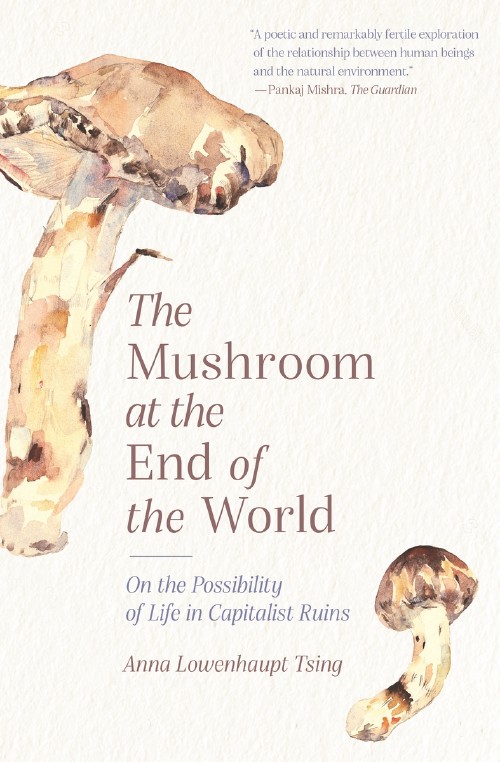
The Mushroom at the End of the World
Copyright 2021, Princeton University Press
Climate Change, Cultural Analysis
(2nd time reading)
The subtitle of this book is “On the Possibility of Life in the Capitalist Ruins.” These possibilities are explored, but what thrills me the most when I read this book is the deep attention to complexity that Tsing tracks. The book is about the Matsutake Mushroom economy, but to describe it as such ignores 80% of what you will learn from it. Matsutake mushrooms are valuable in Japan as gifts of honor. They cannot be farmed; they can only be harvested from forests. This createas a tension; they have immense cultural value, but they cannot be commoditized. They also are no longer commonly found in Japan, and instead are often harvested in the Pacific Northwest. This book is an exploration of all the facets of these facts, and as such delves into the forestry practices of Japan and the US, the people who forage for mushrooms, the markets that translate their foraged value into trans-pacific trade economies, and a good bit more. It’s a hard book to describe, but goddamn it will give you so many things to think about.
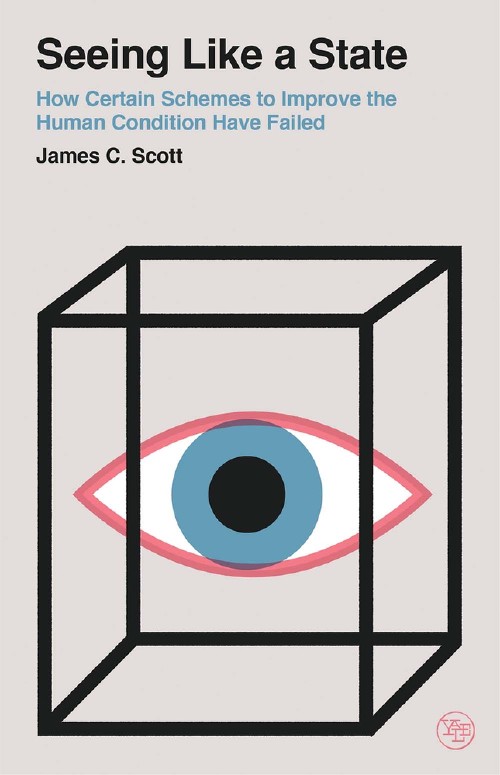
Seeing Like a State
Copyright 1998, Yale University Press
Cultural Analysis
Are you someone who remembers the earliest digital cameras? They would allow you to capture the scene in front of you, but a very low resolution. You could not zoom in to see closer; you would encounter big blocky pixels. Scott’s Seeing Like a State suggests that this is how governmental control works: in order to manage a large population and geography, one must simplify. He focuses on “legibility”—whether or not the specific, local concerns people might be dealing with are legible to the larger state bureaucracy and laws. What he finds, across a few case studies, is that the nature of large-scale states makes it impossible to see or address these low-level concerns. A fascinating anarchist political theory book that should make you question a lot of the ways the world is structured today.
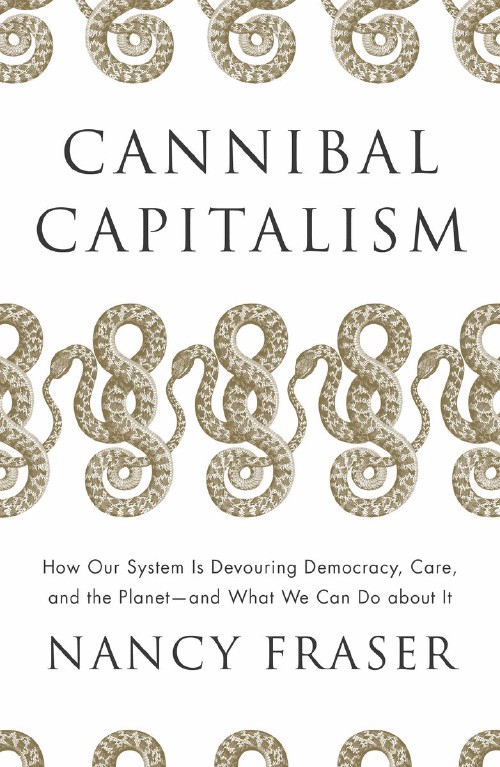
Cannibal Capitalism
Copyright 2023, Verso
Climate Change, Cultural Analysis
The most recent addition to this list; Cannibal Capitalism is a brilliant theoretical work that ties together the critiques of capitalism present in critical race theory, decolonial theory, care-work/feminist theory, and degrowth theory. Perhaps others; I guess I should mention Marx is a component as well. Fraser succintly (but rather academically as a result) builds a theory for how the polycrisis era we’re in; of increasing precarity and inequality, of climate-crisis, of debt, of environmental destruction; is all the result of an arrangement of the world that is capitalism, in its ever-evolving forms. I underlined approximately 60% of this book.
Theory of Water
Copyright 2025, Haymarket
Climate Change, Indigenous Issues, Cultural Analysis
[more coming soon]
A History of the World in 7 Cheap Thins
Copyright 2018, University of California Press
Cultural Analysis
[more coming soon]
The Great Derangement
Copyright 2016, University of Chicago Press
Climate Change, Cultural Analysis
[more coming soon]
The Ordinal Society
Copyright 2024, Harvard University Press
Tech Industry, Cultural Analysis
[more coming soon]
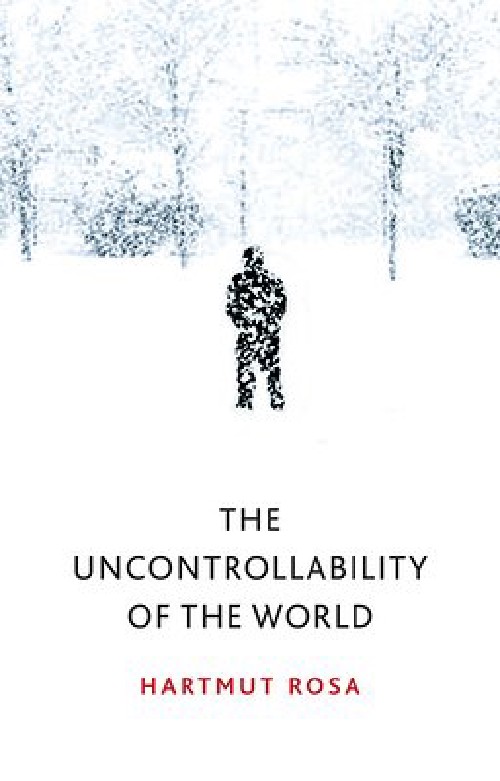
The Uncontrollability of the World
Copyright 2020, Polity Press
Cultural Analysis
[more coming soon]
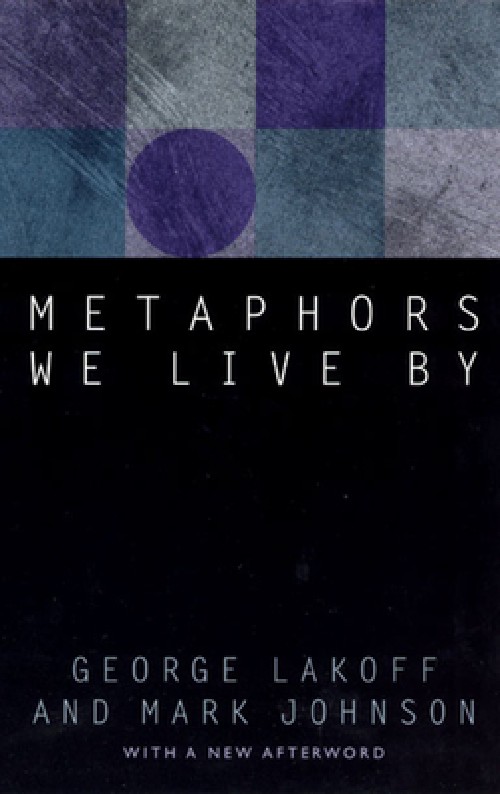
Metaphors We Live By
Copyright 1980, University of Chicago Press
Cultural Analysis
[more coming soon]

Against Purity
Copyright 2016, Minnesota Press
Disability Theory, Cultural Analysis
[more coming soon]
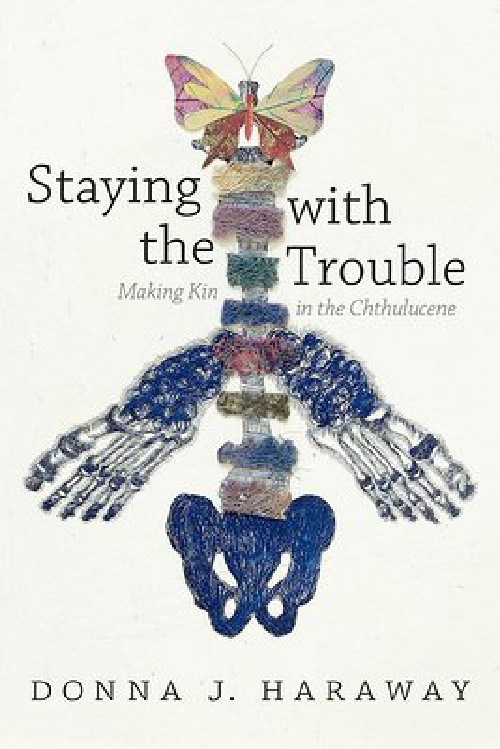
Staying with the Trouble
Copyright 2016, Duke University Press
Climate Change, Cultural Analysis
[more coming soon]

Addiction By Design
Copyright 2014, Princeton University Press
Tech Industry
[more coming soon]